
Introduction
Cancer pain affects millions of people, often interfering with daily life, sleep, and emotional well-being. Studies show that up to 64% of people with advanced cancer experience significant pain. Fortunately, medications can offer substantial relief when used thoughtfully and with medical guidance. This article explores evidence-based medication options for cancer pain—from mild to severe stages. If you’re searching for effective pain relief drugs for cancer, you’re not alone—and this guide will help clarify your options.

Understanding the Nature of Cancer Pain
Cancer pain can come from the tumor itself, treatment side effects, or related complications like bone metastases or nerve compression. It might be nociceptive (from tissue injury), neuropathic (from nerve damage), or visceral (from internal organs). Each type responds best to specific treatment strategies, making personalized care essential.
Uncontrolled pain can also worsen fatigue, depression, and anxiety, compounding a patient’s suffering and affecting their adherence to life-saving treatments. By addressing pain early and effectively, we can improve both physical comfort and emotional well-being. That’s why exploring the right pain relief drugs for cancer is such an important part of every treatment plan.
How Medications Help: A Stepwise Approach
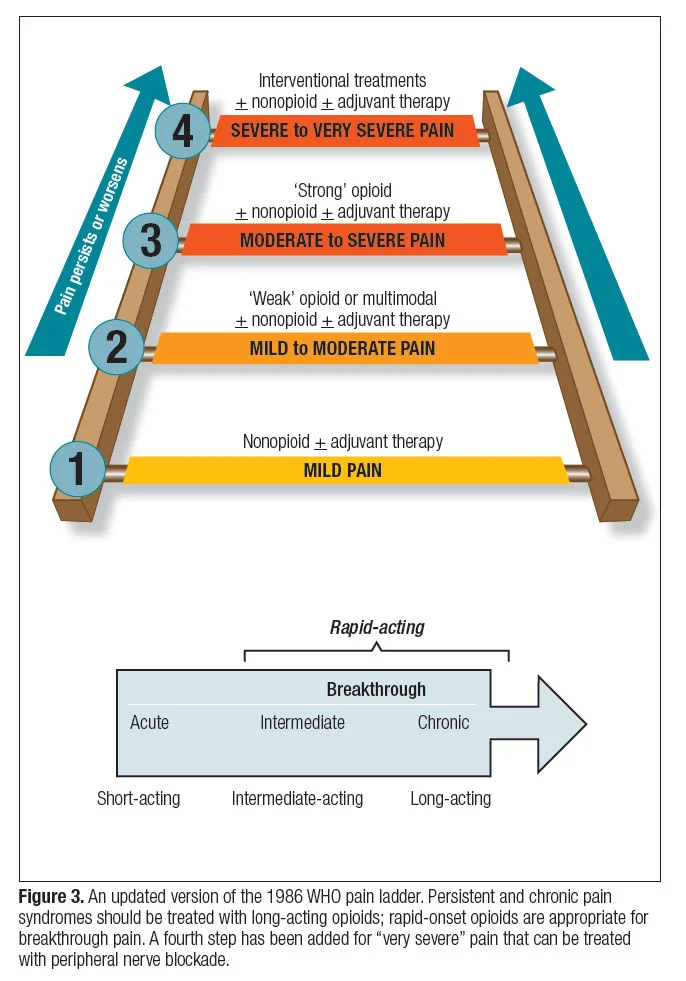
One widely accepted framework for treating cancer pain is the WHO analgesic ladder. It recommends starting with non-opioid medications like acetaminophen or NSAIDs for mild pain. If pain becomes more intense, weak opioids like codeine or tramadol can be added—although many providers now go straight to stronger options to ensure more effective relief. For severe pain, stronger opioids such as morphine, oxycodone, hydromorphone, fentanyl, or methadone are often necessary. The choice depends on factors like kidney or liver function and other health conditions.
Adjuvant medications can boost pain control. These include antidepressants like duloxetine or amitriptyline, anticonvulsants like gabapentin or pregabalin, topical lidocaine patches for local pain, and corticosteroids to reduce inflammation. Patients with bone metastases often benefit from medications like bisphosphonates or denosumab that strengthen the bone and reduce pain.
Breakthrough pain—those sudden spikes in discomfort despite otherwise stable control—requires quick-relief options. Fast-acting fentanyl in forms such as intranasal spray, sublingual tablets, or buccal film can be very effective.
Personalizing the Plan
Medication choices must take into account how the body processes drugs. For example, people with kidney disease should avoid morphine and tramadol, opting instead for safer options like fentanyl or methadone. Those with liver dysfunction may require dose adjustments for certain opioids. For patients with heart or lung disease, acetaminophen and carefully dosed opioids are usually safer than NSAIDs.
The route of administration is also important. Oral medications are convenient, but not always feasible—especially in patients with nausea, vomiting, or trouble swallowing. In these cases, transdermal patches, sublingual tablets, or injectable options may be preferred.
No two patients are the same, which is why a wide range of pain relief drugs for cancer are available to meet different needs. From non-opioids and adjuvants to potent opioids and breakthrough solutions, having a tailored strategy ensures the best outcomes.
Brenda’s Story: A Real Patient Journey from Mesa, Arizona
We recently worked with a woman in Mesa—let’s call her Brenda—who was battling severe pain from breast cancer. Despite trying several medications, her pain remained a daily burden. After evaluating her needs, we prescribed buprenorphine patches for steady pain relief and added a low dose of Percocet for breakthrough pain. With her baseline pain now under control, she uses the Percocet only rarely. Brenda is sleeping better, enjoying her time with her grandchildren, and reclaiming her sense of normalcy.
Her case also illustrates the importance of consistent follow-up. At each visit, we reassess her symptoms, side effects, and overall function. By staying engaged and responsive, we’ve helped her avoid emergency visits and stay focused on the things she loves.

Special Cases: Blood Cancers and Opioid Safety
Patients with blood cancers like leukemia or multiple myeloma often face added challenges, such as mucositis or a higher risk of infection and bleeding. These issues can limit the use of certain medications or delivery methods. In such cases, opioids remain the cornerstone of pain management but must be administered carefully.
People with a history of opioid use disorder can also receive effective cancer pain treatment. Buprenorphine and methadone are both valuable options that offer pain relief while reducing the risk of misuse when prescribed appropriately and monitored closely.
A team-based approach is key in these cases. Coordinating with addiction specialists, oncology teams, and palliative care helps ensure safety without sacrificing comfort.
Looking Ahead: What’s Emerging in Cancer Pain Care
Some medications like ketamine infusions may help with tough-to-treat nerve or mucosal pain, though current evidence is limited. Cannabis-based treatments have not consistently outperformed placebo in trials and aren’t generally recommended. Ongoing research is exploring which adjuvant therapies work best, including comparisons between duloxetine and pregabalin for nerve pain.
Other options under study include extracorporeal shock wave therapy and electroanalgesia, which aim to improve nerve signaling and reduce pain without medications. While not yet standard care, these approaches may become more accessible as evidence grows.

How We Partner With Patients
At Red Butte Pain Solutions, we prioritize a compassionate and collaborative approach. We understand that managing cancer pain is not just about medications—it’s about restoring dignity, maintaining independence, and allowing patients to live on their own terms.
We spend time educating patients and families about pain sources, treatment goals, and realistic expectations. We also communicate closely with oncologists, primary care providers, and palliative care teams to ensure continuity and avoid medication conflicts.
Our goal is always to reduce pain while minimizing side effects, prevent hospitalizations, and improve quality of life. We believe that everyone deserves to feel heard, supported, and treated with respect at every stage of their journey. When it comes to pain relief drugs for cancer, it’s not just about what’s prescribed—it’s about how, when, and why it’s used.
Get the Support You Deserve
If you or someone you love is living with cancer pain, compassionate and effective care is within reach. At Red Butte Pain Solutions, we specialize in comprehensive cancer pain treatment. We proudly serve Chandler, Tempe, Mesa, Gilbert, Maricopa, Sun Lakes, Casa Grande, and Laveen. Schedule now or call us at 602-633-4334 to learn more.