

Bone pain from cancer is a common—and often frustrating—problem for many patients. Whether it’s caused by a primary bone tumor or cancer that has spread to the bones, the pain can be severe, stubborn, and life-disrupting. Understanding the difference between these types of pain is essential because treatment strategies often depend on the specific cause. Let’s break down what causes this pain and explore the many ways we can treat it and bring relief.
What Does Bone Pain from Cancer Feel Like?
There are two main reasons cancer causes bone pain: primary bone tumors and metastatic bone disease.
If you have a primary bone tumor like osteosarcoma, Ewing sarcoma, or chondrosarcoma, you may feel a deep, nagging ache that doesn’t go away. It tends to worsen over time and gets more intense with movement or weight-bearing. Night pain is common and often disrupts sleep. Swelling or tenderness around the tumor site is also typical.
When cancer has spread to your bones (as often happens with breast, prostate, lung, kidney, or thyroid cancers), the pain tends to feel different. It’s usually dull, widespread, and hard to pinpoint. Movement can make it worse, and if a bone breaks or your spine becomes compressed, the pain can become sharp and severe. You might also feel weak or tired due to high calcium levels from the cancer.

Why Does Cancer Hurt Your Bones So Much?
Cancer-related bone pain is caused by a combination of mechanisms:
- Nociceptive pain: Caused by direct damage to bone tissue
- Inflammatory pain: Triggered by chemical messengers like prostaglandins and cytokines that sensitize nerves
- Neuropathic pain: Results when tumors press on or damage nearby nerves
These inflammatory processes often accompany osteolysis, where cancer actively breaks down bone. This increases pressure inside the bone and stretches the periosteum (the outer layer rich in pain-sensitive nerves). That stretch can be extremely painful. Over time, the nervous system can become overly sensitive, causing pain even when imaging doesn’t show obvious changes.
How We Treat Bone Pain from Cancer
Medications That Help
Treatment often begins with medications. The WHO’s pain ladder guides this approach:
- Opioids like morphine, oxycodone, or fentanyl for moderate to severe pain
- Methadone for complex or nerve-related pain (requires specialist management)
- NSAIDs and acetaminophen for mild pain or as add-ons to opioids
- Steroids like dexamethasone to reduce inflammation
- Adjuvant medications including duloxetine, gabapentin, and pregabalin for nerve pain
- Ketamine and lidocaine infusions for severe, resistant pain
- Bone-modifying drugs like zoledronic acid or denosumab to reduce fracture risk and ease pain
Radiation Therapy
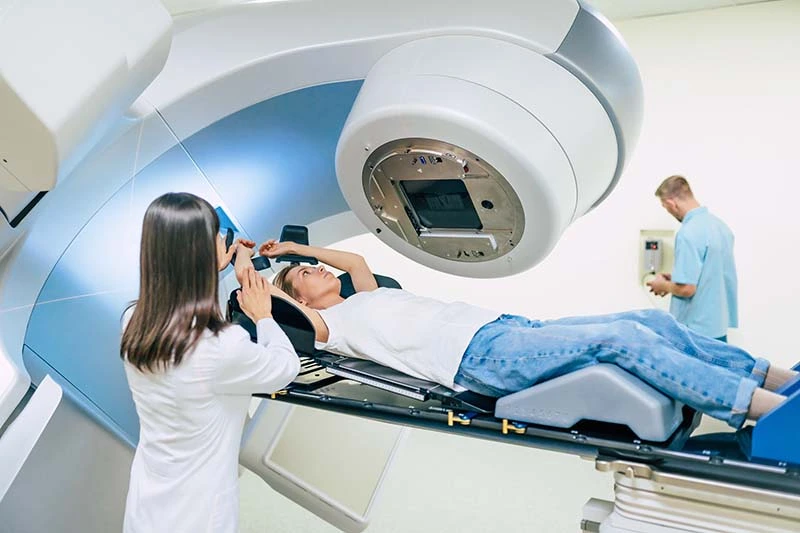
Radiation is especially helpful when bone metastases cause pain. A single session of external beam radiation therapy (EBRT), such as 8 Gy, often brings fast relief. For tumors that don’t respond well to standard radiation, SBRT (stereotactic body radiation therapy) may be more effective. Radiopharmaceuticals like radium-223 can target widespread bone metastases.
Interventional Pain Procedures
When medications and radiation aren’t enough, we consider interventional procedures:
- Nerve blocks to stop pain signals at the source
- Intrathecal pumps to deliver medication directly into the spinal fluid
- Bone tumor ablation to destroy tumor tissue and relieve pain directly
Bone Ablation: New Tools for Better Pain Relief
Ablation procedures target the tumor itself, stopping it from causing pain.
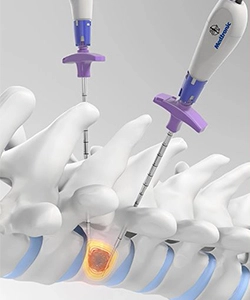
- Radiofrequency ablation (RFA), particularly the OsteoCool system, is widely used. In a large study (OPuS One), patients reported their worst pain scores dropping from 7.8 to 2.6 over 12 months. Relief was often noticeable within three days.
- Cryoablation freezes the tumor and works well for large or oddly shaped lesions, especially near nerves. Most patients experience pain relief within a day.
- Microwave ablation (MWA) uses heat to destroy tumor tissue and is ideal for large tumors. Pain relief typically lasts 4–6 months.
- MR-guided focused ultrasound (MRgFUS) is a noninvasive option that uses focused ultrasound energy to treat tumors, especially when traditional approaches aren’t feasible.

Which Procedure Is Right for You?
Here’s a general guide:
- Spine pain: Consider RFA/OsteoCool
- Tumors near nerves: Choose cryoablation
- Large tumors needing fast treatment: Go with MWA
- Lesions hard to access percutaneously: Try MRgFUS
Decisions are made with input from a multidisciplinary team, including oncology, pain management, radiology, and sometimes surgery.
What’s the Goal—Cure or Comfort?
Your treatment plan depends on your overall goal:
- Curative intent: In cases like surgically treatable osteosarcoma, doctors may limit long-term opioid use and focus on recovery.
- Palliative intent: When dealing with advanced cancers like metastatic breast cancer, pain relief becomes the priority. All available tools—including medications, radiation, and procedures—are used to improve comfort and quality of life.
Factors That Affect Your Treatment Plan
Several personal and medical factors influence your treatment options:
- Age: Older adults may face higher fracture risk after treatment
- Bleeding disorders: Coagulopathy must be managed carefully for interventional procedures
- Spinal instability: May require cement stabilization after ablation
- Previous radiation: Can raise the risk of post-procedure complications
Your team will work with you to design the safest and most effective plan based on your unique situation.
Living with Long-Term Cancer Pain
Some people live with cancer as a long-term condition. Even after active treatment, pain may persist due to:
- Nerve damage
- Past surgeries
- Radiation-related complications
Long-term pain management may include:
- Regular medication (including non-opioids)
- Interventional procedures like ablation or nerve blocks
- Exercise and physical therapy
- Mind-body therapies like massage, guided imagery, or meditation
In Summary: Finding Relief from Bone Pain
Bone pain from cancer is serious, but it’s manageable. With the right combination of medications, procedures, and supportive care, you can feel better.
Ablation therapies like OsteoCool RFA offer fast and lasting relief. They’re safe, effective, and can reduce your reliance on opioids.
If you’re dealing with bone pain from cancer, you don’t have to face it alone. There are many options available—and with the right support, relief is possible.